
How to use feedback to prioritize your SaaS product roadmap
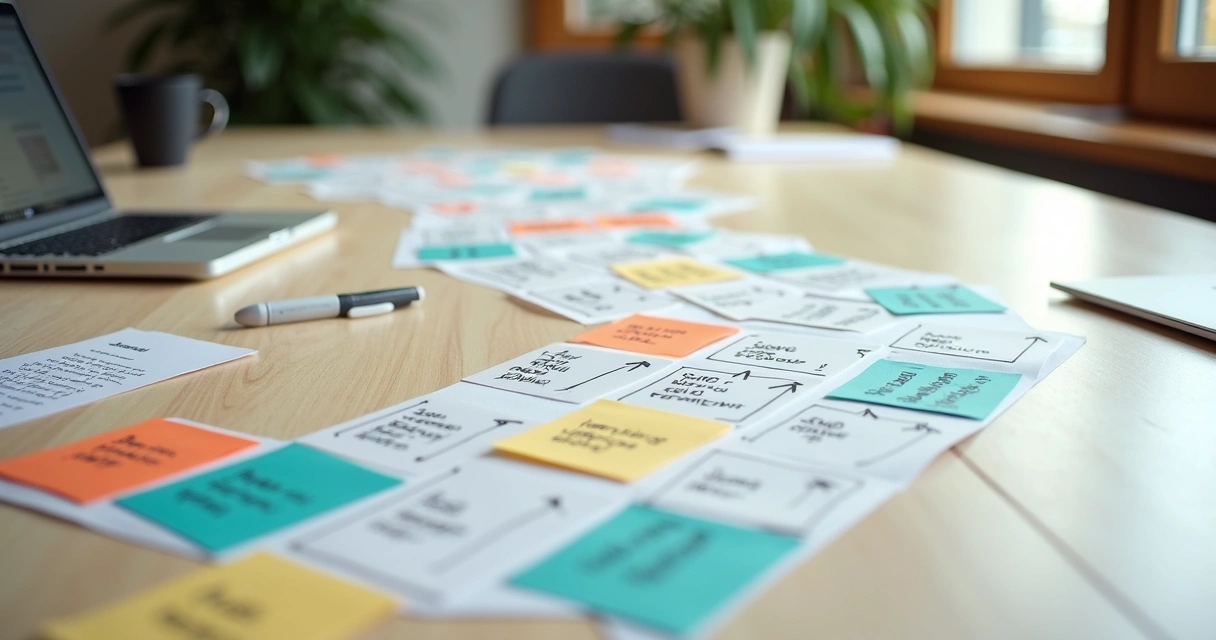
When I started building SaaS products, I kept hearing people say, “just listen to your users.” But as the feedback piled up, from tiny bug reports to passionate feature requests, I realized: listening is just the beginning. How you use that feedback in your roadmap can decide if your product feels alive—or out of touch.
Why feedback is your best strategic tool
I’ve seen roadmaps managed by gut feeling, and I’ve seen others shaped carefully by data—user opinions often made the difference. Feedback isn’t just a pat on the back or a list of complaints to fix. It’s a direct window into the real user experience, priorities, and unmet needs.
Your users know where the pain points live, what delights them, and what makes them churn. When I look back, nearly every big product breakthrough I’ve shipped traces back to a comment, request, or an offhand note in a survey.
- Feature requests reveal what’s missing
- Complaints highlight where friction hides
- Praise shows what already works (don’t break these!)
A modern SaaS founder needs a simple, accurate pulse on user sentiment. Thrilled built its entire approach on that reality, removing the friction with its instant install and real-time Net Promoter Score (NPS) feedback, so you always know what matters most.
Collecting feedback the right way
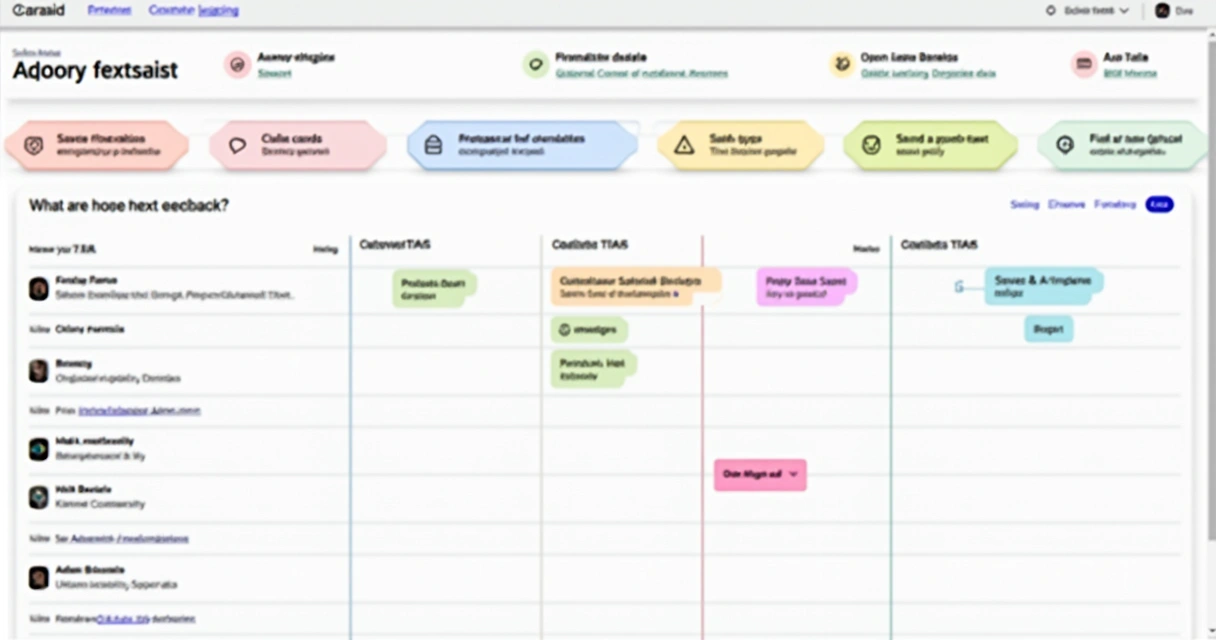
I’ve worked with early-stage products and more mature SaaS teams, and I’ve noticed: the best feedback flows are the ones that fit naturally into the user journey. Don’t interrupt users with long forms or make them hunt for a “Contact Support” email.
The most actionable feedback comes from these spots:
- After significant actions (onboarding completed, new feature used, subscription renewed)
- Moments of friction (errors, billing, cancellations)
- Recurring check-ins (NPS or simple “how are we doing?” prompts)
What I find most helpful is to ask for a quick NPS score, followed by an open-text question. People will surprise you with what they write when the prompt is simple and the timing is right.
Turning feedback into a prioritization system
This, for me, is where most teams get stuck. It’s easy to collect feedback, but the real challenge is: How do you process and use it, instead of just collecting it?
- Categorize everything As you gather user input, start sorting it: is this a bug, a feature request, a usability concern, or pure praise? With Thrilled, you get AI-powered categorization—every open response gets a label so you see trends instead of noise.
- Score for urgency and impact Not all suggestions are equal. Someone who is ready to churn because of frustration carries more weight than a casual “it’d be nice if…” comment. This is where urgency scoring changes the game. When I see a low NPS score paired with a high-urgency bug, that’s my priority.
- Spot patterns and volume Single requests matter, but clusters signal a bigger opportunity—or danger. Track how often categories pop up. If “onboarding confusion” keeps surfacing, it’s time for action. Thrilled highlights top themes and patterns every week, so I never have to guess.
Prioritize what comes from recurring themes and high-urgency scores.
From insights to actual roadmap decisions
This step changes everything. Once your feedback is organized, taking action is a discipline. I don’t believe in a strict vote-based system—sometimes one user’s pain is enough to justify a fix. But seeing the top requests, complaints, and themes helps balance user hopes with your own vision.
Here’s my approach:
- Review “high-urgency” items every week. Are there bugs or blockers damaging trust?
- Sort feature requests by frequency and strategic fit. Does this move the product where you want it to go?
- Spot wins—positive feedback often points to your strongest value props. Double down on these instead of reinventing the wheel.
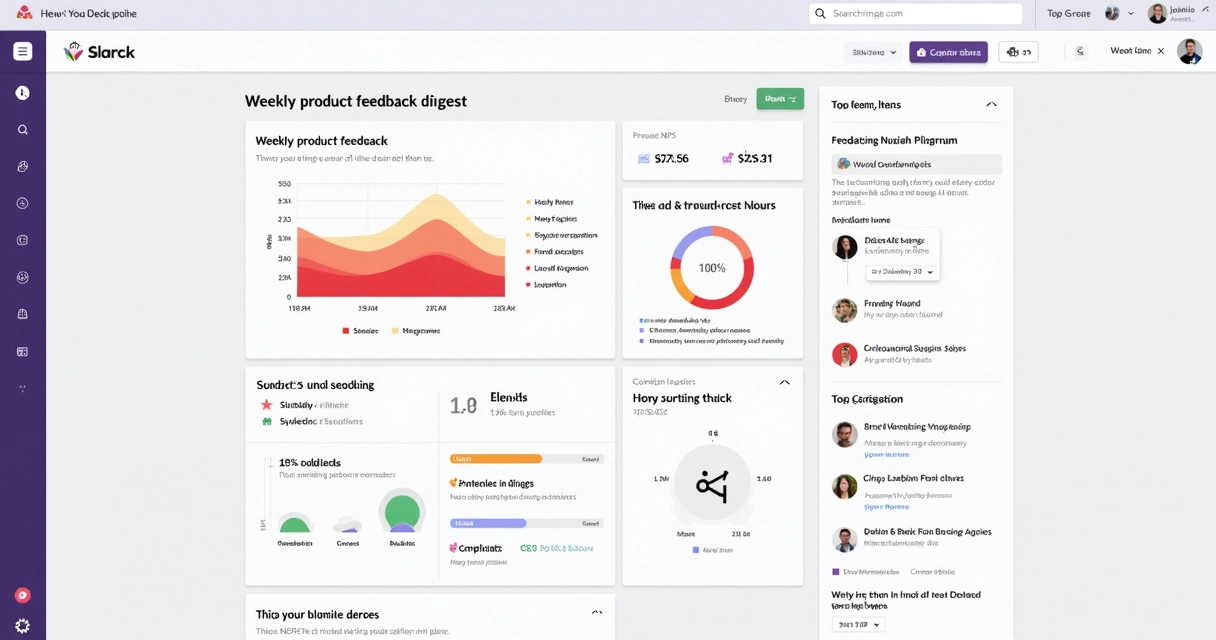
Every week, I get a Slack digest from Thrilled summarizing trends and suggesting three actionable steps. For a solo founder or a small team, removing guesswork from prioritization is real relief.
Keep your feedback cycle alive
Prioritization isn’t a “set and forget” job. I revisit user sentiment regularly—frustrations change, and what’s a nice-to-have now might become mission-critical next quarter. Keeping the conversation going helps me ship what’s needed, not just what I think will be cool or easy.
These habits help:
- Schedule feedback reviews weekly or biweekly—don’t wait for complaints to pile up
- Show users visible action (“You asked. We shipped.” signals you’re listening)
- Share wins and progress with your team or community
That’s how I keep my roadmap honest and my product close to user reality.
If you want to see how actionable feedback drives real SaaS growth, check out more on SaaS product feedback or head over to our customer experience resources.
Bring it all together
In my experience, no single method will keep your roadmap perfectly in tune, but feedback that’s categorized, scored, and reviewed regularly beats gut-feel decision making every time. I use Thrilled because it helps indie SaaS founders and small teams (like myself) turn feedback into action, and keep user needs at the heart of every update.
If you’re ready to know before users go, and want to see your SaaS thrive instead of wonder why people leave, give Thrilled a closer look. Start for free, feel the pulse, and let your users quietly build your next roadmap for you.
For more actionable advice on feedback and analytics, I also share ideas on analytics and user retention strategies on our blog.
Explore a real example of decision-making through NPS feedback here.
Frequently asked questions
What is feedback-driven roadmap prioritization?
Feedback-driven roadmap prioritization means using real user opinions, requests, and frustrations to decide what your product team builds next. It helps align product development with actual needs, rather than just founder intuition or market trends. This method spots real pain points, reduces risk of building unused features, and builds more user trust.
How to collect useful user feedback?
The best feedback comes from asking simple, timely questions in the product itself—right after a user completes a task or faces an issue. Use a clear rating (like NPS) and a short open-ended question. This lowers friction and gets authentic, actionable responses. Tools like Thrilled allow you to place a widget inside your app, reaching users at the perfect moment.
What tools help prioritize SaaS features?
I recommend tools that combine easy install, real-time user feedback collection, and AI-powered analysis. With Thrilled, for example, all feedback is categorized by type, scored for urgency, and trends are surfaced automatically. This lets you spend less time sorting through comments and more time acting on what matters.
How often should I review feedback?
You should schedule time every week (or at least biweekly) to review, categorize, and extract action items from new feedback. Making it a habit ensures you won’t miss emerging trends or urgent issues. Regular reviews keep your roadmap dynamic and closely linked to user sentiment.
How can feedback improve my product?
Feedback is often the fastest way to catch usability issues, discover unmet needs, and prevent churn. Responding to feedback (with fixes or public roadmap updates) shows users they’re heard—encouraging loyalty and increasing word of mouth. Over time, these cycles help your SaaS stand out for being truly user-first.