
Is early user churn avoidable? Seven overlooked factors

Every SaaS founder lives with the nagging question: “Why do users disappear right after signing up?” Early user churn often feels like an unavoidable tax on software growth. In my experience, that assumption is just a myth. I’ve seen small, actionable shifts slash churn rates—even before a product is polished. Still, the reasons many users drop off slip by unnoticed. Today, I want to pull back the curtain on the seven overlooked, but avoidable, factors that push users out the door before you even know their names.
The first experience is everything
Picture someone landing in your app for the first time. They haven’t made an emotional investment, they don’t care about your roadmap, and they don’t owe you loyalty. Here’s what matters in those crucial minutes:
- The user instantly understands what the product does.
- The steps to reach first value are crystal clear.
- No blockers, no friction, just a clean path to the “aha!” moment.
In the world of real feedback, I’ve found that even one vague instruction or missing context in onboarding causes drop-offs that won’t show up as bugs, but as silent departures.
Keep it simple. Remove the noise. Make that first action obvious.
Seven overlooked reasons users leave early
Through my research, and by listening closely using Thrilled to the real voice of the user, I’ve spotted a handful of repeat offenders that quietly turn new signups into lost opportunities. Let’s break down the seven most overlooked factors that make early user churn seem inevitable—until you address them.
1. Feedback mechanisms are invisible
Early users run into something confusing or broken. Do they tell you? Or do they just vanish? Without an obvious, friendly feedback channel—like an embeddable Net Promoter Score (NPS) widget or frictionless text box—users rarely bother reporting what blocked them. I recommend making feedback part of the flow. Eliminate guesswork. At Thrilled, the in-app feedback widget has made it possible to spot and fix friction before users leave. And yes, it works for teams as small as one.
2. Setting expectations poorly
Nothing encourages churn quite like the feeling of being misled. If your landing page promises lightning speed, but the user faces a loading spinner, you’ve lost trust before you’ve earned it. I always advise founders: The gap between promise and reality is where churn thrives. Over-promising isn’t just a marketing issue. Every mismatch in copy and experience erodes confidence.
3. Confusing onboarding or first-use flows
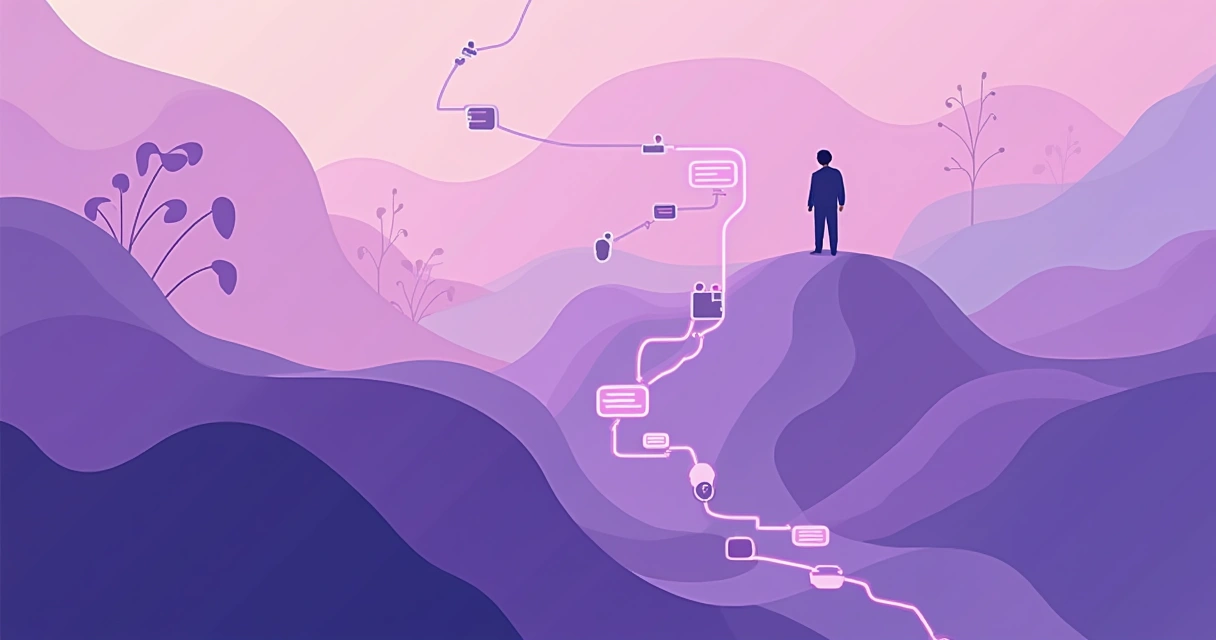
Think about this common story: a new user signs up and hits a dense dashboard with no context. They have to “figure it out later,” but later rarely arrives. Confusing onboarding is not a feature problem—it’s a value delivery problem. Handhold the user, but don’t patronize. Tools like Thrilled now analyze feedback from onboarding flows and flag steps where people most often stumble, making it simple to make improvements fast.
4. Lack of context-specific help
Most new users don’t want to read docs. They want a friendly nudge—just enough, right where they are stuck. If support is hidden in the footer or behind three menus, it’s not helping. I noticed apps with tooltip help, or very short just-in-time pointers right in the modal, tend to see better conversion from first session to active user.
5. Slow, buggy, or unresponsive interface
Speed is trust. Reliability is respect. Every second a screen lags or a button fails is time the user wonders why they bothered. If someone’s first impression of your tool is “wait—did it work?” it might be their last impression, too. Investing early in fast, robust flows pays off far more than extra features, at least for the first hundred users.
6. Asking for too much, too soon
I see this all the time, especially in SaaS: demanding a credit card during onboarding, asking for an address before showing what the tool even does, pushing for team invites when the main user doesn’t know if they’ll return. I recommend: Give value before asking for commitment. Earn trust, don’t demand it.
7. Ignoring signals that predict churn
Most churn is predictable if you listen. Users who skip onboarding, only visit once, or try a single feature and go silent are waving red flags. With Thrilled, AI-powered analysis categorizes feedback, flags urgent issues, and trends behaviors that often predict churn. The earlier you spot and act on these signals, the fewer silent exits you’ll face.
How I learned to stop guessing
There was a time I thought adding more features meant fewer users leaving. I learned (painfully) that the truth is usually the opposite. The silent danger is not what users say—it’s what they never say, because they’re already gone. When I started systematically collecting, categorizing, and acting on feedback at the very first touchpoints, I saw trial-to-paid conversion rates climb. Even better, my roadmap got less noisy—actual user pain, not my assumptions, drove what I built next. There's an entire world of strategies around user retention that anchor on feedback, not features.
Applying these insights across your product
These lessons don’t belong just to onboarding. Each principle applies to every stage of the user journey. The tools you use should support this mindset—simple feedback channels, automated analysis, and honest dashboards that keep you focused on what matters. For a deeper look at how feedback connects to long-term retention and customer experience, I suggest reading up on customer experience, or checking out real stories of SaaS feedback in action. You’ll see the same pattern play out, every time: when builders listen, users stick around.
Conclusion: Churn isn’t destiny—it’s a message
Most early user churn isn’t random. It’s a signal. By treating every early drop-off as useful feedback—then making tiny, focused adjustments—you reduce churn and build something people remember. In my experience, almost every “avoidable” churn case stems from overlooked basics, not missing features. Want to know where the leaks are and what to do next? That’s what I built Thrilled to answer. Try it out for your own team, and stop losing users to silence. Find more resources and actionable advice in the SaaS insights archive or our analytics deep dives.
Frequently asked questions
What is early user churn?
Early user churn means people creating an account or starting a free trial, but leaving before they create value for themselves or your business. It’s the biggest barrier to growth for most SaaS companies—because acquiring attention is hard, but holding it is even harder.
How to reduce early user churn?
The first step I recommend is always listening: use in-app feedback widgets, trigger surveys after first actions, or monitor session activity for silent drop-offs. Remove friction, clarify onboarding, deliver value before you demand commitment, and make it obvious how to ask for help. With tools like Thrilled, you can catch the minute-by-minute trends and act on them before those users disappear for good.
What causes users to leave early?
Most early departures happen because of unclear value, a confusing or broken first flow, mismatched expectations, or no easy way to share frustration. Every hard-to-find button, slow loading screen, or over-eager request for information costs trust in seconds. The silent exits are almost always preventable if the user feels helped and heard from the start.
Which factors affect user retention?
User retention improves when you deliver instant value, keep promises, help contextually, make feedback easy, and spot warning signals. Analytics and user feedback, like those surfaced by Thrilled, transform these signals into clear action items. The more proactive you are in identifying and acting on these issues, the higher your long-term engagement climbs.
Is it worth it to prevent churn?
Absolutely. Every user who stays is a chance for learning, growth, and advocacy. Reducing churn improves recurring revenue and gives you a clearer, less stressful roadmap. Investing early in feedback channels, rapid fixes, and attention to user signals is always worth the return.
If you’re ready to stop losing users to silence and take back control of your growth, I invite you to get to know Thrilled, experiment with our tools, and see real feedback in action for yourself.