
Stop sending users too many surveys: Here’s why it backfires

I remember my first attempt at scaling user feedback. I wanted more insights, so I added more questions, bumped up the frequency, and waited for a flood of feedback to light the way. What I got instead, though, was silence. If you’re reading this, maybe you’ve seen the same thing. That’s not just unfortunate – it’s a sign that you’re caught in the quiet backlash of survey fatigue.
What actually happens when you overwhelm users?
The thought behind frequent surveys is simple: more feedback means more understanding, right? But, in my experience, things play out differently. I’ve seen projects stall not because users didn’t care, but because we sent too many asks, squeezed too often, and wore them down.
- First, engagement drops off. Your sharp users start skipping questions.
- Next, feedback gets lazy – bored respondents pick the middle option just to finish.
- Finally, your true fans tune out. Some even uninstall, annoyed at the noise.
When you ask too often, you don’t just get fewer responses – you also lose the trust and goodwill of your best users.
People ignore what interrupts them too often.
This is more than just a small annoyance. For SaaS products, especially those with indie roots or small teams, wasting users’ attention is a real risk. With Thrilled, our guiding principle is “signal over noise.” I learned firsthand that cutting out survey redundancy helps retain the builders and product lovers we serve.
Understanding survey fatigue: The hidden cost
Many founders and product teams call it “survey fatigue.” It’s that silent drop-off when users see one too many pop-ups and decide to opt out of feedback for good.
I’ve sat in meetings where we wondered why NPS (Net Promoter Score) or feature polling responses were tanking, until someone pointed to the calendar and counted: “We’ve sent five things this month.” That’s the tipping point.
Survey fatigue means your users aren’t just skipping your surveys – they start avoiding your brand. This costs you authentic feedback, new fans, and sometimes even existing customers. It’s even more noticeable for SaaS teams with user bases on the smaller side.
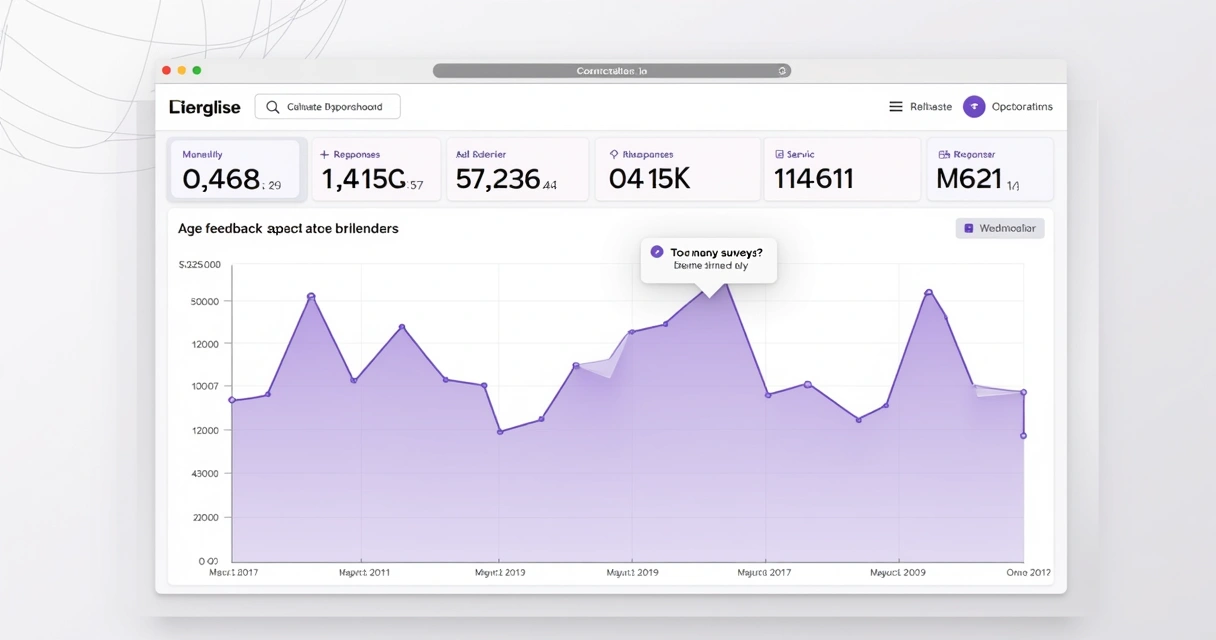 Why less is more in feedback
I think the biggest myth in SaaS feedback is that quantity always leads to quality. From what I've seen, in reality, the opposite often happens. If you truly want what users think, you have to ask at the right time, in the right way, and not too often.
Here’s what I found works better:
- Focus on timing – trigger questions at meaningful product moments, not on a fixed calendar
- Keep surveys short, fast, and friendly – respect your users’ time
- Ask only when you can act on the feedback
Thrilled, for example, uses auto-scheduling to schedule feedback prompts only when the context is meaningful and respects a cool-down period. That means you don’t have to guess when enough is enough – the system handles it, and users feel heard, not harassed. I see reduced drop-off and higher quality answers because of this.
The ripple effects: It’s not about the survey, it’s about trust
When users feel you actually listen – not just that you collect endless data – they share more and better insights. This has blown me away time after time. A carefully calibrated NPS modal, thoughtfully placed, has given us feedback I can act on every week, fueling real improvements.
But there’s more at stake. Spammy, repetitive asks signal to users that you’re not thinking about their experience. That’s a quick way to erode the relationship nearly overnight. Authentic feedback flows from a foundation of trust and respect for attention.
This is why I became so focused on signal over noise at Thrilled. Our goal is not to collect everything, but to learn what’s needed and fix what actually matters. In our Slack-native weekly digests, we distill the week’s trends, highlight the urgent issues, and offer action steps – not just a raw data dump.
 What good user intelligence really looks like
Instead of high survey volume, I recommend:
- Short pulse checks tied to new features or key actions
- In-app NPS questions no more than once a quarter per user
- Open-ended feedback requests only when something changes or breaks
- Automated cool-downs so no one gets two requests too close together
- Weekly or monthly digests for your team, so you don’t overanalyze every scrap of feedback in real time
This doesn’t just protect users – it makes your own life better, too. Too many surveys create noise, analysis paralysis, and confusion for product teams. The right cadence makes every signal more actionable and clear.
For anyone wanting more on the link between smart customer experience and retention, I sometimes browse through related discussions on customer experience and user retention, to keep a pulse on new research and practical strategies for SaaS builders like you and me.
The Thrilled difference: Building with respect for attention
One thing I learned building Thrilled is that people respond to clarity and honest pricing, but what keeps them coming back is respect for their time and attention. This means keeping our NPS widget minimal, clean, and easy to close. Feedback prompts appear only when it makes sense. Our platform’s auto-scheduling and Slack digests give builders a no-nonsense, actionable pulse, not a constant stream of noisy alerts.
With every iteration, I see the proof: better feedback, higher retention, and teams who actually enjoy reading user comments. If you want to see how a high-signal feedback strategy works in the wild, take a look at analytics best practices and examples at analytics for SaaS.
For deeper examples, my favorite recent stories about real-world product lessons are covered in these reference posts: Failing fast with feedback and From angry comments to delighted users.
Conclusion: Make feedback matter, not noisy
If you want actionable, honest user intelligence, step back and send fewer, smarter surveys. In my experience, trust, quality, and insight go up when you hold back a little. Let your product speak. Ask at just the right moments. Respect attention and show that you’re genuinely listening. Your users will thank you with better feedback – and more loyalty.
Ready to see the Thrilled approach in action? Start collecting high-quality feedback today, and put an end to survey fatigue for good.
Frequently asked questions
What happens if I send too many surveys?
If you send too many surveys, users start ignoring them, and response rates sharply decline. Not only do you get less valuable feedback, but users may also become annoyed, skip future surveys, or even leave your platform. The perceived value of each survey drops when they become frequent interruptions.
How often should I survey my users?
A good rule is to survey no more than once per quarter for broad NPS questions, and to trigger specialized surveys only after meaningful product events or changes. Timing matters more than frequency; focus on value and context for your users.
Why do users ignore too many surveys?
Users ignore too many surveys because they see them as repetitive and intrusive. When feedback requests feel generic or disruptive, people stop seeing their value. Over time, trust erodes, and users become numb to future requests.
How can I improve survey response rates?
To improve response rates, keep surveys short, trigger them at meaningful product moments, and make it clear how feedback will be used. Use auto-scheduling with cool-down periods, and always thank users for their input. Show real changes based on feedback, and response rates will rise.
Is it worth it to send fewer surveys?
Yes, sending fewer but better-timed surveys almost always produces higher-quality, more actionable feedback. You maintain user trust while still learning what you need to improve your product and keep users happy.