
Top NPS Tools for SaaS Feedback Collection in 2026

If there is one thing I have learned after years of working alongside SaaS builders and founders, it’s this: feedback is not just data, it’s the signal that directs every product pulse. Today, with SaaS budgets tightening and user expectations climbing, finding a Net Promoter Score (NPS) tool that actually works for fast-moving teams—without enterprise pricing—matters more than ever. In 2026, collecting and interpreting user sentiment is a requirement, not a luxury.
Here’s my current take on what sets the best NPS tools for SaaS feedback collection in 2026 apart, and why I see smart founders choosing a focused approach—especially with solutions like Thrilled that prioritize action over noise. I’ll break down what features matter most, how modern tools fit into a SaaS workflow, and what I’d actually recommend after seeing dozens of feedback loops up close.
What really matters in an NPS tool for SaaS?
Most SaaS builders want three things: authentic feedback, fast insights, and affordable pricing. Overcomplicated dashboards and bloated toolkits get in the way. Instead, here’s what I focus on when I’m talking with teams trying to get closer to their users:
- Simple, reliable setup—one script, no dev drama
- AI-driven analysis that doesn’t require a data science degree
- Automated summaries, especially via channels like Slack
- Clear action items based on real feedback, not vanity scores
- Pricing that fits indie founder budgets and scales as you grow
Know before they go.
This sums up the core difference I felt when diving deep into modern feedback engines. Nobody wants to lose a user to silence. The best tools act before churn, not after.
The evolution of SaaS feedback collection in 2026
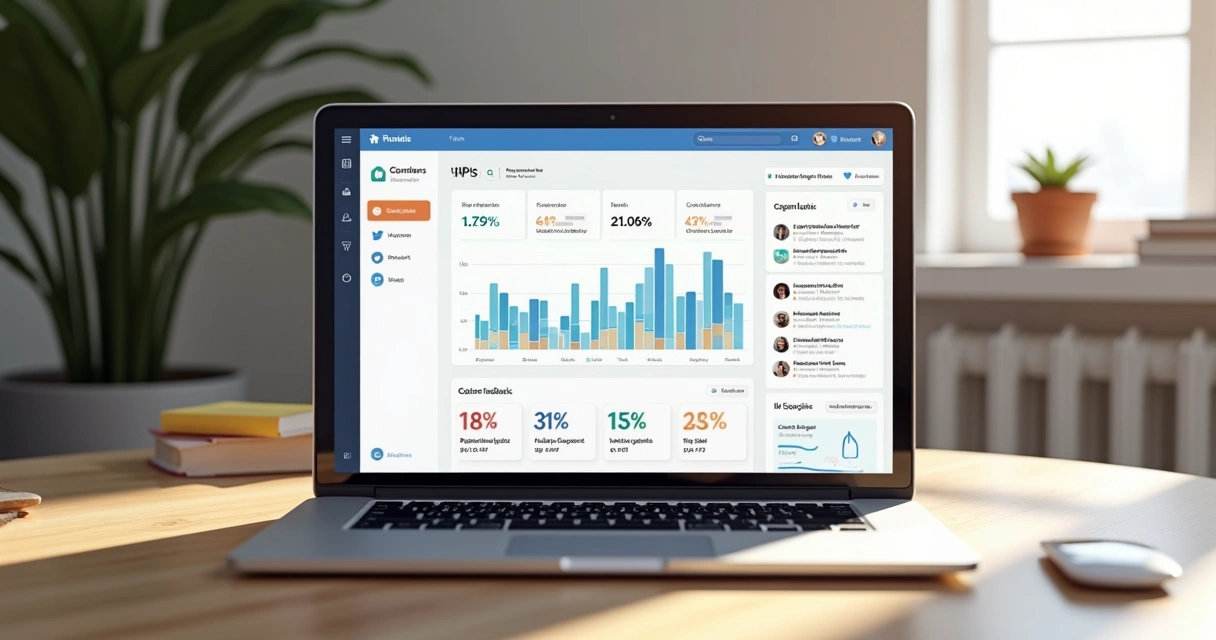
Feedback isn’t new. But what I see changing in 2026 is the shift from “just get responses” to “understand what to fix, in real time.” Builders want more than a chart—they want clarity. AI does the heavy lifting, processing thousands of open text comments and surfacing what stands out, right down to urgency and actionable themes.This attitude is exactly what led to the creation of Thrilled, a platform I find inspiring: a lightweight, embeddable NPS tool built for SaaS, offering intelligence previously gated behind high monthly fees and complex integrations.
Features that define the best NPS tools for SaaS builders in 2026
From my experience advising SaaS teams of all sizes, these core features shape a product’s impact:
- Instant install: A single script tag. The user should paste it, call
setUser(), and they’re live. No chasing SDK compatibility across stacks. This is how Thrilled brings teams to their first score in minutes, not hours. - Actionable AI analysis: Every response should get categorized, urgency-scored, and summarized. Instead of staring at a wall of text, you see clear trends, sentiment breakdowns, and which issues to address first. I consider this a deep upgrade over legacy dashboards, and it’s built-in at $29/month in Thrilled, democratizing access to advanced feedback intelligence.
- Slack-native digests: In practice, SaaS teams live in Slack. The best NPS tools deliver weekly feedback digests with trends, notable quotes, and a shortlist of things that demand attention. This is a smart way to keep teams aligned, and I’ve found it shortens the time from feedback to action.
- Beautiful, minimal UI: Feedback modals should be non-intrusive and brandable, not add friction to the user journey. Thrilled’s widget, for example, supports custom accent colors, product names, widget placements, and white-labeling on advanced plans.
- True SaaS pricing: Too many tools lock AI and analysis behind high monthly fees. In a market where every dollar counts, I appreciate firms that make intelligence accessible from $0—with scalable tiers as usage grows.
If you want to learn more about ongoing SaaS strategies around feedback, I’d recommend reading articles in the SaaS section of the blog.
How Thrilled stands apart for founders and small teams
I have seen a lot of feedback engines, but Thrilled keeps catching my attention for a few reasons:
- Builder-first setup: Paste a script, call your user, and start. Five minutes, no onboarding calls.
- AI at $29—finally: Most platforms lock deep analysis behind a $99+ plan. Here, even bootstrapped teams get trend summaries, urgency scores, and theme categorization at the Growth level, and there’s a generous free plan for up to 250 MAU.
- Slack delivery (no dashboards): Teams don’t have to log in to keep a pulse on NPS—the relevant digest just arrives where your team works every week.
- Customizable and respectful: The feedback widget is elegant and unobtrusive, with brand colors and minimal visual noise. Promoters, Passives, and Detractors are all color-coded for clarity. Action items are automatically generated so decision-makers don't have to dig through data.
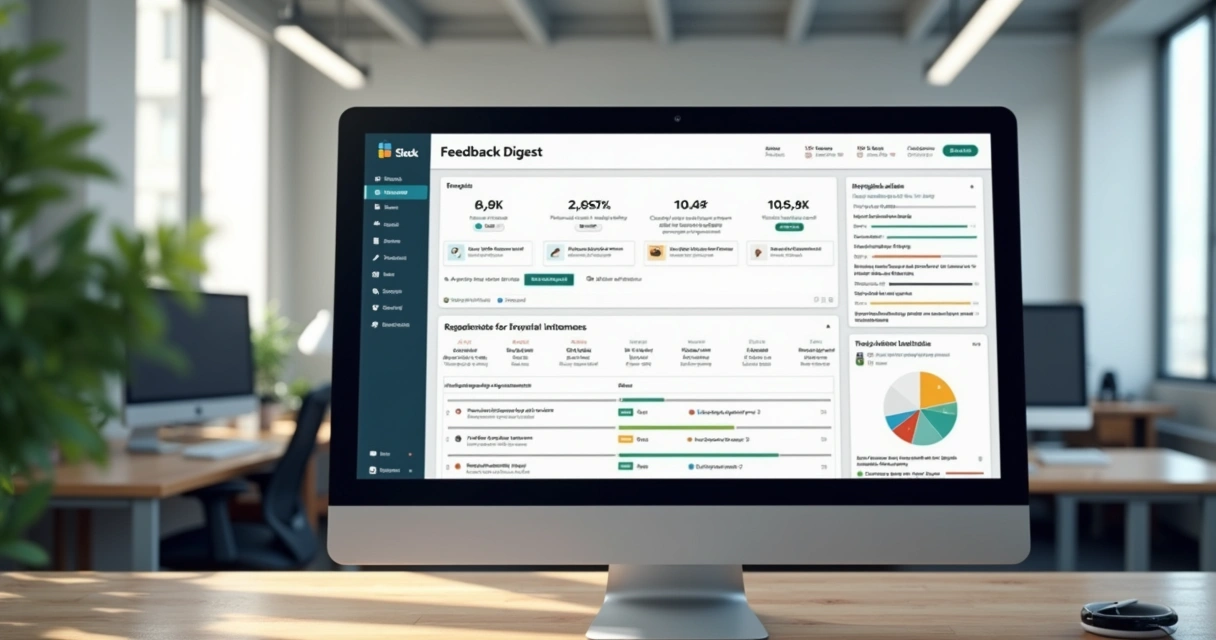
I value how Thrilled reduces SaaS churn risk by surfacing negative trends and urgent user issues directly in a founder’s workflow, without wading through dashboards or guessing what’s broken.
Comparing features and setup—what to look for
If you’re choosing a feedback tool, here’s what I always recommend running through:
- Does setup truly take 5 minutes, or is there a catch?
- Are AI insights and urgency scoring included without a big price jump?
- Can you automate Slack digests—without logging in to check every week?
- Is the widget customizable and visually unobtrusive to your users?
- Does it scale from indie to growing team needs (collaboration, white-label)?
Most SaaS products change faster than their feedback tools can keep up. Being able to route, tag, and respond to feedback in real time shortens those critical feedback loops and improves user retention. For teams wanting to know more about user retention tactics, I found guidance in the user retention resources particularly well-focused.
Actual pricing and why it matters for SaaS feedback in 2026
Cost is top-of-mind. Feedback tools that respect bootstrapped teams offer transparent, honest pricing, and make advanced analysis accessible as the team grows. Thrilled’s plans start at $0, with AI-driven insights launching at $29/month. This is the kind of builder-first pricing I wish more SaaS vendors would adopt because every team deserves world-class feedback, not just those with an enterprise contract. Scale and agency features—like multi-project and white-label—are also available, keeping the platform useful from MVP to multiple products.
If you want to go deeper on analytics or measuring user sentiment, a good next step could be the analytics section of the blog.
Signal over noise: Why less is more in feedback tools
The best NPS engines in 2026—like Thrilled—are opinionated. They trim away the noise, skip the feature bloat, and keep the signal strong. As a founder myself, I’ve come to appreciate tools that solve the actual problem, rather than complicate it with dashboards and graphs I never check.
Feedback isn’t just a metric. It’s your product’s early warning system.
For smarter SaaS teams in 2026, that means knowing what to change and when to act, not simply showcasing customer satisfaction post-facto. If you want a practical example of how actionable feedback stories play out in real SaaS products, I think this story shows the approach in action.
Conclusion: Actionable feedback is the only feedback that matters
The bar has been raised. In 2026, I see the best NPS tools for SaaS feedback collection giving even the smallest teams access to intelligence that was once reserved for big business. With instant setup, honest pricing, and AI-powered clarity, products like Thrilled are making it possible for more teams to listen—and actually act—before it’s too late.
If you’re ready for a feedback engine that respects your attention, visit Thrilled’s homepage and see how fast you can start collecting insights that move your product forward.
Frequently asked questions
What is an NPS tool for SaaS?
An NPS tool for SaaS is software that helps collect, measure, and analyze Net Promoter Score data from users directly inside a SaaS application. NPS represents how likely users are to recommend a product. Modern tools also surface actionable insights from open-text feedback, helping founders and product teams address user needs fast.
Which are the best NPS tools in 2026?
From my vantage point and hands-on experience, the best NPS tools in 2026 for SaaS feedback collection are those that prioritize instant setup, AI-driven insights, integration with workspaces like Slack, and affordable pricing tiers. Solutions like Thrilled combine these strengths, making them ideal for indie teams and startups seeking actionable feedback without steep costs.
How do NPS tools collect SaaS feedback?
NPS tools typically use an embedded widget or modal inside the SaaS product, asking users a standardized question about their likelihood to recommend the service. They follow up with an optional open-text prompt for deeper feedback. This response data is scored, categorized, and summarized—sometimes via AI—then delivered via dashboards or automated digests like the ones Thrilled sends to Slack files.
How much do top NPS tools cost?
Pricing varies, but I’ve seen reliable, AI-powered feedback engines start as low as $0 for smaller user bases, with advanced analysis available from $29 per month. The best providers keep analytics and collaboration affordable for indie teams and offer higher tiers for agencies and growing SaaS companies.
Is it worth using NPS tools for SaaS?
In my honest opinion, yes. NPS tools are worth it for SaaS teams who want to stay ahead of user churn and product issues. By turning qualitative feedback into clear action items, these tools give founders confidence to prioritize changes. The right solution, especially with AI analysis, pays for itself by driving user retention and guiding product direction.