
7 Ways AI Is Shaping User Feedback in SaaS for 2026
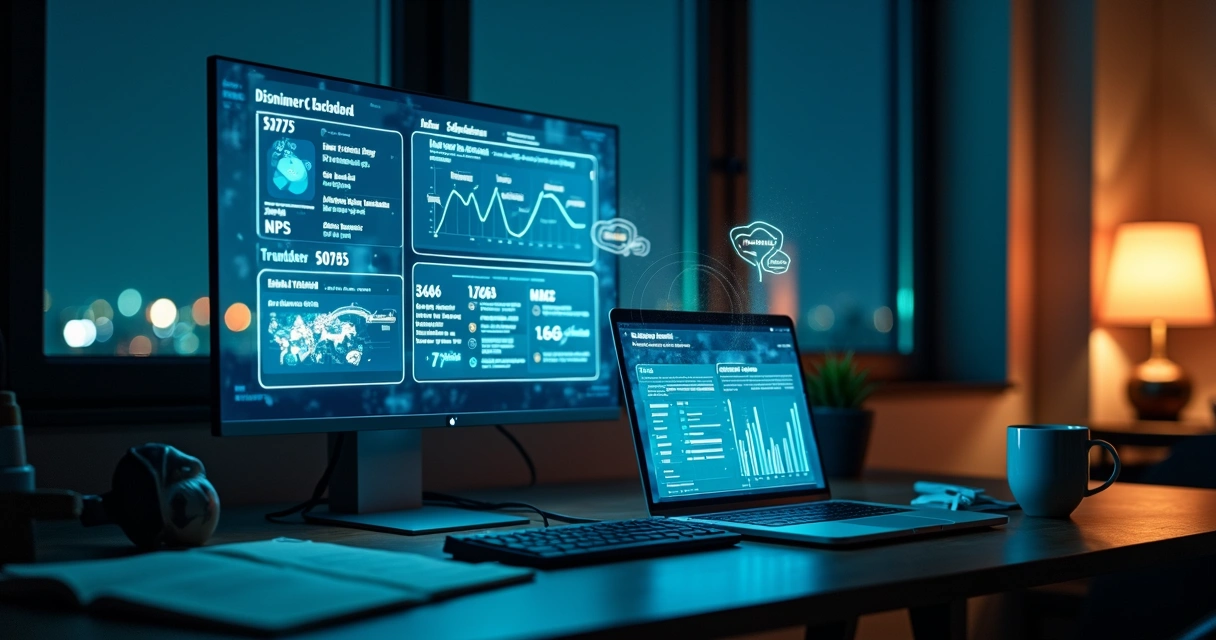
I've watched SaaS tools evolve for two decades, and I can say with confidence that something fundamental is happening. AI isn't just a bolt-on feature for analytics anymore. It's changing the entire DNA of how we get, process, and act on feedback. In 2026, this shift is visible everywhere—especially for the SaaS builders and product teams who use lightweight solutions like Thrilled to keep a real-time pulse on what users think and feel.
The rise of instant, open-text feedback
In the early days, feedback was structured—boxes to tick, numbers to rate. Today, users want to share real thoughts. Open-text feedback is booming. But here's the catch: reading hundreds (or thousands) of lines of raw text isn't practical, certainly not if you're a solo founder or small team. This is where AI steps up. With tools like Thrilled, every single open-text response is read, sorted into categories, and urgency-scored. You don't just collect a wall of text—you see what matters. This means that the real signals never get drowned by noise. That's the difference between guessing what users feel and knowing for sure.
Real-time trend spotting—no dashboard-marathons needed
Back in the day, product teams had to click through endless dashboards or wait weeks for a report. Now, weekly Slack digests land directly where teams already work, summarizing Net Promoter Score (NPS) trends, top feedback themes, and what needs attention. The latest AI-driven feedback engines serve up:
- Automated action items, not just numbers
- NPS scored and tracked over time, with alarms for sudden drops
- Urgency queues, so hot-button issues never get overlooked
I find that this shift isn't just about time saved; it's about decision quality. Analytics are only powerful when they change your priorities—and AI tightens that loop for every SaaS builder.
Feedback is personal, context-aware—and finally actionable
AI in 2026 knows when and how to ask users for feedback. Solutions like Thrilled track user sessions and interaction history, asking for input at moments that actually make sense. No more survey fatigue, no more interrupting users at the wrong time. It's smarter, quieter, and respects user attention. What I see is a move away from spammy, generic prompts and toward efficient, context-driven feedback collection. And let's face it—if you're building anything that users touch, you need to respect their focus.
 No more numbers-only: AI finds the emotion and meaning
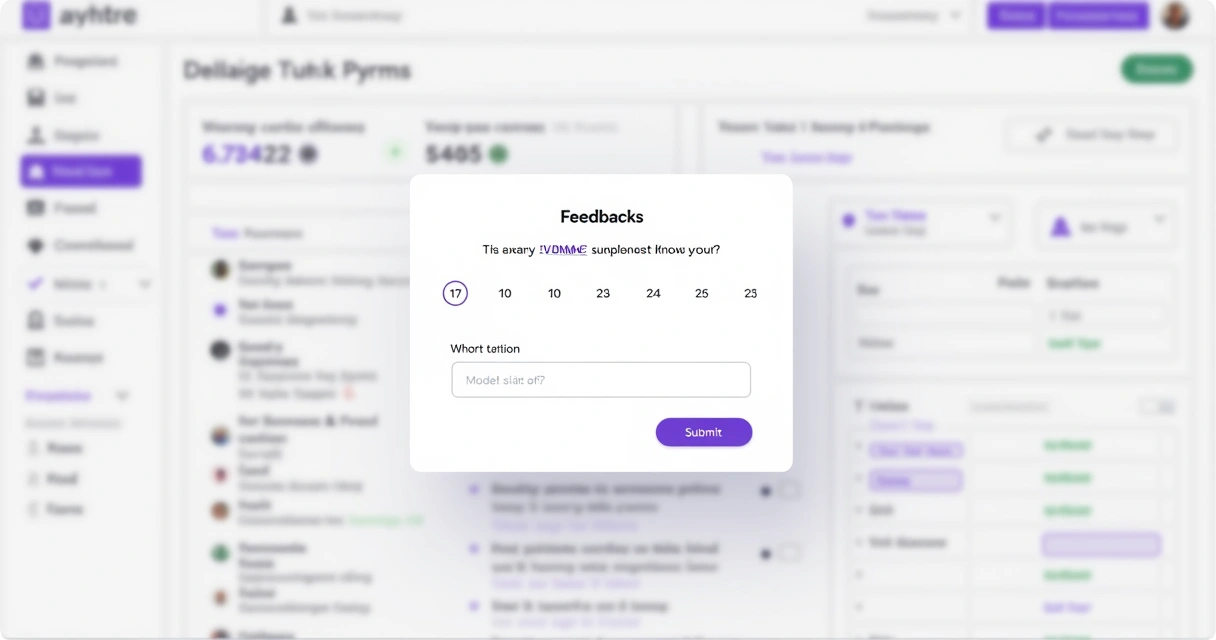
Here’s a personal observation: Numbers are easy to measure, but stories are what teams act on. AI-powered sentiment analysis now pairs each NPS score with the “why.” For example, an 8 in the dashboard is not just "good"—it might now come with an AI summary: "Wants improved billing clarity." More than that, urgency scoring tells you if this is a fleeting annoyance or a meltdown in progress.
AI lets you answer "How are users really feeling?" without a laborious investigation.
This level of analysis, at scale and in real-time, was science fiction just a few years ago.
Digestible, human-language reports on what to fix next
The right feedback engine now delivers simple, specific, and prioritized to-do’s every week. Teams get a Monday morning digest—direct to Slack or email—listing the NPS trend, notable quotes, and a shortlist of AI-generated actions. No more guesswork, no more chasing vague trends. Only clear steps for builders to ship better products.
I think this has changed the game for anyone who cares about user retention or reducing churn. When the feedback system itself delivers suggestions, it's like having a tireless, unbiased product advisor in your pocket.
 User segmentation and urgency scoring—without the bloat
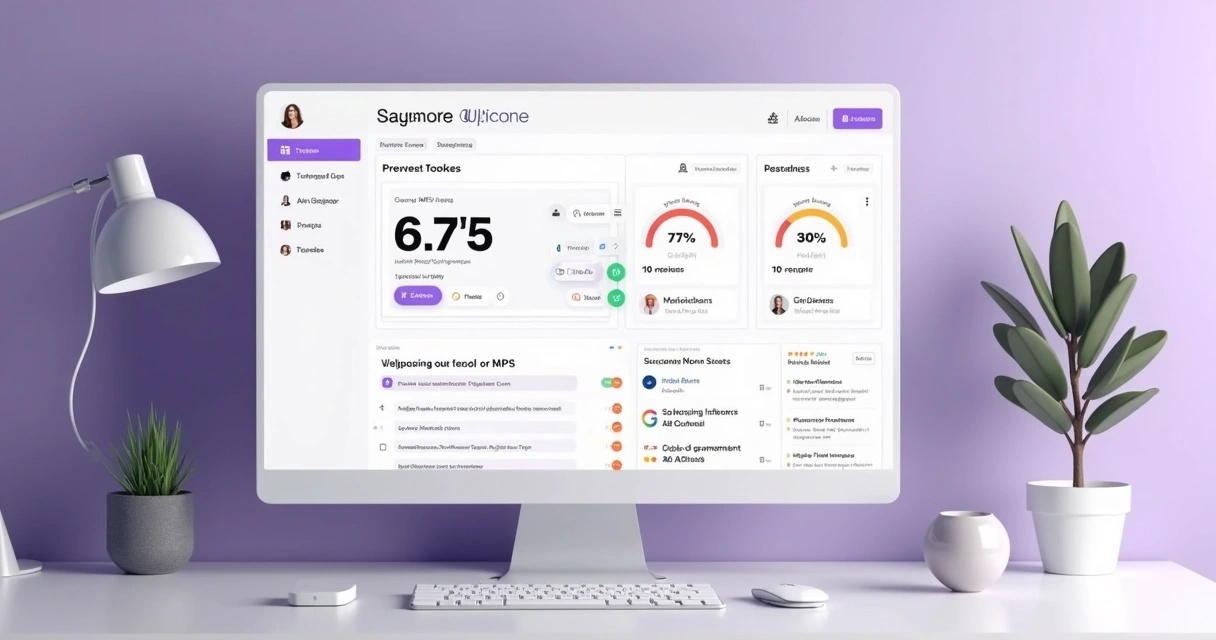
AI brings precision. In my experience, modern feedback engines break down users into Promoters, Passives, and Detractors—color-coded, urgency-ranked, and filterable at a glance. It’s a granular, data-first approach, but never at the cost of clarity. This segmentation is actionable: follow up with high-urgency Detractors, or reward Promoters who share praise. And all this is possible without enterprise tools or noisy, feature-bloated dashboards. Small teams can now have the sophistication that was once enterprise-only. That’s the promise Thrilled fulfills at $29 instead of $99.
White-label and multi-project support—AI for agencies and studios
The AI revolution isn’t just for single-product teams. Agencies and product studios managing multiple brands or apps can now run NPS and feedback collection across clients—each getting their own tailored analysis and branding. This results in better service to clients, clearer priorities, and less manual work for managers.
And with embeddable widgets and auto-scheduling, set-up is almost instant. I’ve seen agencies appreciate how frictionless it is to deploy, report, and adjust feedback flows without wrangling code or paying high per-seat fees.
Small teams, big insights: AI makes feedback smart, not just fast
What impresses me most? The barrier to entry for high-quality feedback intelligence is gone. With products like Thrilled, solo founders or lean teams of five have real, actionable, AI-driven NPS and sentiment analysis—with no wasted spend, no integration headaches, and no compromise on privacy or clarity.
For anyone building a SaaS product, AI in feedback collection is the great leveler. It means you don’t need to hire analysts or drown in tickets. You ship, you listen, and you improve—fast. That’s why I believe this AI-powered approach is no longer a luxury but standard practice for SaaS in 2026.
If you want to see where these trends are going, I suggest browsing more on topics like artificial intelligence, customer experience, SaaS growth, and real-world product analytics.
Where to from here?
I find daily that the right approach to user feedback—low-friction, AI-driven, and grounded in real user sentiment—is within anyone’s reach. I invite you to see for yourself how Thrilled is making this future possible now. Take user feedback seriously, act fast, and never lose great users to silence again. Start building a feedback culture where every voice is heard, understood, and acted on. If you want to know more or experience the product in action, check out Thrilled and know before they go.
Frequently asked questions
What is AI-driven user feedback?
AI-driven user feedback means that artificial intelligence handles the categorization, scoring, and analysis of open-text responses, turning raw user input into structured, actionable insights in real-time. Instead of trawling through endless user comments, teams receive organized summaries, urgency ranks, and decision-ready data automatically.
How does AI improve SaaS feedback?
AI improves SaaS feedback by quickly identifying trends, urgent issues, and user sentiment from large volumes of feedback. It automates categorization, detects patterns, and presents prioritized action items, helping teams understand what needs fixing—and why—much faster than manual review ever could.
Is AI feedback reliable for SaaS?
AI feedback is increasingly reliable, especially as models become better at natural language understanding. With a well-trained AI engine, accuracy in categorizing sentiment, urgency, and feedback themes rivals (and often surpasses) human reviewers, especially for fast-growing SaaS apps.
What are the main AI tools used?
The main AI tools include natural language processing for open-text analysis, sentiment detection, urgency scoring, and trend spotting. In Thrilled, for example, these are built directly into the feedback engine, offering builders actionable reports and summaries instead of just raw data.
How can I integrate AI feedback?
Integration is now as simple as adding a script tag to your site and calling a basic function (like setUser()). Platforms like Thrilled are designed so founders and teams can start collecting and analyzing feedback within minutes, with Slack digests and dashboards included—no enterprise overhead required.