
Why small SaaS teams should review feedback together as a group

In my journey building and supporting SaaS products, I’ve seen patterns repeat. One of them is how feedback gets surfaced, and ignored. A founder glances at survey scores before a sprint planning call, thinking, “I’ll get to it.” A developer triages bug reports, but ignores the quiet feature requests simmering under the surface. Most feedback lives in dashboards, not in action. When I focus on why some teams build loyal user communities while others struggle, it often comes down to what they do with feedback, especially in small teams.
Why group review matters for small SaaS
Reviewing feedback together isn’t a luxury for big companies. For indie SaaS builders and small teams, it’s a necessity. Early on, every user’s opinion matters more, and every lost user stings. Group feedback sessions shape not just the roadmap, but the culture. This is also why we put such a strong emphasis on making user sentiment accessible in Thrilled, insights can’t sit in a dashboard. They need a team, not a single champion.
When feedback is a solo sport
I used to read scores on my own, thinking, “I get the picture.” But, the truth is, it’s easy to miss patterns or let biases slip in. When only one person looks at user comments, the ideas are filtered by that person’s experience. Sometimes, I’d notice a complaint and think, “That’s not a real problem.” Other times, I’d be blind to recurring praise, failing to double down on the features users actually loved.
Fresh eyes spot what routines miss.
By making feedback review a group habit, you override personal blind spots. Someone else will catch things I never would.
Key moments for group sessions
From what I’ve seen, the most effective teams have rituals. They set time to review feedback. Weekly, bi-weekly, or after every release, it doesn’t matter much, as long as it happens. This habit is why Thrilled sends Slack digests, so feedback is visible, not buried in a tab.
- After onboarding pushes: Early impressions inform more than months of analytics.
- Post-launch (big or small features): Teams catch bugs, usability issues, and moments of delight that numbers won’t show.
- Regularly, just like metrics: NPS scores, trends, and open comments discussed as a team build intuition and shared mission.
Feedback, when reviewed together, becomes an alignment tool. It’s not just “something to fix,” but fuel for both innovation and retention.

How team review changes the outcome
In one of my early SaaS experiences, we had a tiny team: two developers, one designer, one founder. At first, we’d all read new feedback on our own time. But our product wasn’t improving in ways users noticed. Only after we started a standing Wednesday feedback session did things shift. By talking through actual comments, not just trends, we discovered two types of insights:
- Quick wins: “The login button is hard to find” turned into a 10-minute UI tweak, and NPS jumped.
- Strategic changes: Repeated requests for integrations led us to a roadmap update. Months later, churn dropped.
A solo review would have buried those. Only the group noticed how many different users felt the same about a feature. This isn’t just my story. I’ve seen the same play out with teams using Thrilled, who write in surprised at the impact of a simple Slack digest or a live session with the whole team.
What actually happens during a group review?
There’s a simple, repeatable flow:
- Someone (usually the founder or product lead) shares recent feedback, NPS trends, top issues, and direct quotes.
- Everyone reads or listens, uninterrupted.
- Discussion: what are we hearing? Are these isolated, or are they a trend?
- Ideas are voiced. Decisions are made (or at least next steps assigned).
With Thrilled, for example, these conversations start with AI-powered highlights and urgency tags, making even quiet voices easy to notice. Teams hear in plain language what’s urgent, what’s recurring, and what users like, not just numbers, but context.
Feedback is most useful when it starts a conversation.
Benefits unique to small SaaS teams
There’s a common misconception that solo review “saves time.” In my experience, group review actually speeds up good decisions. Here’s why smaller SaaS teams get an outsized benefit:
- Shared understanding: When everyone knows what users want and feel, there’s no need for lengthy alignment meetings later.
- Ideas go straight to builders: With fewer layers, the people who can act on feedback are the ones in the room.
- Motivation and focus: Nothing energizes a team more than hearing real users appreciate their hard work, or calls out pain points that the team can actually fix.
- No information bottlenecks: Instead of a single person gatekeeping insights, the whole team can take ownership.
Group review doesn’t just inform, it empowers. Newer team members learn fast. Priorities get set with confidence, and everyone has context when talking to users or making quick changes.
Building feedback review into your processes
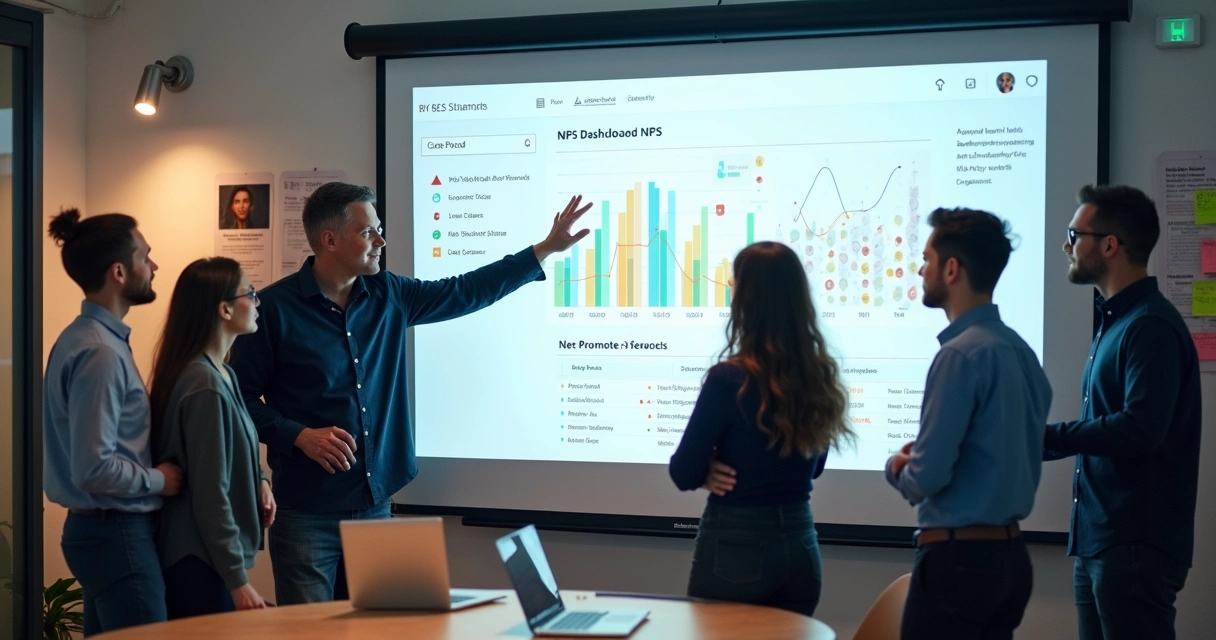
I always recommend teams make feedback review as routine as code review or sprint planning. That means picking a schedule (start weekly), agreeing to keep the meeting focused (20 minutes is enough), and giving everyone a chance to react, not just product or support. A tool like Thrilled streamlines the prep work, giving you a digest and AI-sorted priorities so that people can spend the session discussing, not digging for meaning.
If you need ideas for improving your SaaS feedback process, there are great insights in the customer experience and user retention categories in our SaaS resources, customer experience tips, and user retention recommendations. When analytics is part of the routine, teams see results faster, and you can dig deeper by exploring best practices over in analytics for SaaS.
What not to do
In my research, I found that teams who treat feedback as a formality, or just forward reports, lose steam quickly. The point isn’t to “collect and forget,” but to listen, discuss, and act. Simply reading the feedback aloud, without discussion, isn’t enough. It’s the group’s ideas and actions that move products forward. That’s the culture Thrilled supports, low friction, actionable conversations, and a true belief that every user comment is a chance to improve.
You can see some practical examples in the post about team-driven feedback insights, it helps illustrate how collaboration on feedback can lead to meaningful change in product direction.
Conclusion
The best SaaS teams I know treat every user comment as a tiny roadmap vote. When feedback is reviewed together, magic happens: teams agree faster, ship smarter, and connect deeply with the people who matter most, their users. It’s not extra work. It’s how small teams win.
If you want to bring better feedback routines into your team and see what your users actually think (before they leave), I believe you’ll find value in how Thrilled puts user sentiment front and center. Don’t wait for churn or feature regret to build motivation. Make team feedback sessions part of your culture, and look at what happens next.
Frequently asked questions
Why review feedback as a group?
Team-based feedback review allows multiple perspectives to emerge, erasing blind spots and making sure no critical insight is missed. It also builds collective ownership of user happiness and leads to better and quicker decisions by engaging everyone in the process.
How often should teams review feedback?
For most small SaaS teams, a weekly or bi-weekly cadence works best. The key is consistency. Tying reviews to product releases or key customer milestones is another good strategy, just make sure feedback review is routine, not an afterthought.
What are the benefits of group feedback?
Group feedback surfaces shared understanding, lets more ideas come to light, and motivates everyone by connecting real user voices to team output. It reduces misalignment, speeds up response time, and deepens product focus, especially in small teams with direct access to users.
How can small teams manage feedback?
Integrate feedback collection directly into your app through lightweight tools, automate summaries or digests (like Slack updates), and schedule group discussions regularly. Assign clear follow-up actions so comments don’t go ignored. A simple process and easy-to-use tool, such as Thrilled, can make this scale for even the smallest teams.
Is group review worth the time?
Yes. The time invested in group feedback review is paid back many times over, thanks to faster product improvements and better user retention. It also builds shared responsibility, energizes the team, and prevents feedback from being overlooked.