
7 ways tiny SaaS teams can act on NPS without engineers

When I started building my own SaaS, I knew collecting NPS (Net Promoter Score) mattered. But the part that actually moves the needle? It’s not collecting NPS. It’s acting on it—fast. And it turns out, you don’t need engineers for that. I learned to move from insight to action on my own and helped other tiny teams do the same.
Below are seven practical tactics any SaaS founder or small team can use to turn NPS into action—no developer bandwidth required.
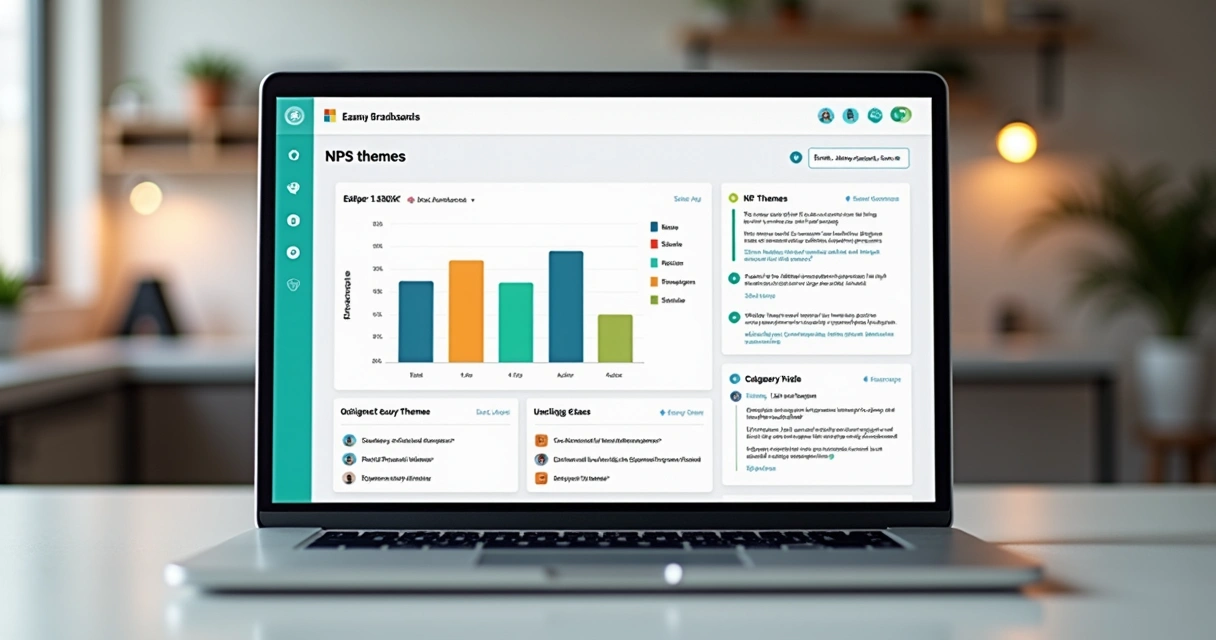
1. Summarize your top NPS themes weekly
Every Monday, I check what users have said. I let AI scoring and categorization do its thing so I can spot what’s trending—be it feature requests, support pain, or UX friction. With tools like Thrilled, this comes to you in a Slack digest: top categories, changes to your score, urgent feedback, all distilled into plain language. No dashboards, no extra logins, no queries.
Your week in feedback tells you more than a dashboard ever could.
I add the highlights to our internal docs, so everyone keeps the same pulse. It keeps you honest, and it keeps you moving.
2. Triage for urgency, not just volume
Most teams focus on how many users complain or praise. I go a level deeper. I filter for urgency: a high-scoring promoter who hints at churning, or a detractor who’s loudly unhappy. With AI-powered urgency tags, I can make a quick list—who needs follow-up right now, and who can wait. This is how I stopped losing users to silence.
A sense of urgency can be the difference between a lost user and a lifelong fan. I make sure our first move always targets those red-flag users.
3. Reply to feedback in the moment
Once I spot actionable comments, especially from detractors, I reach out—personally. No waiting for engineers to automate emails or create pipelines. The NPS dashboard shows me who’s unhappy, how critical the issue is, and what category it falls under. I draft a quick email:
- Thank you for your honest feedback.
- Sorry about the issue you faced.
- This is what we’re doing next.
Direct human replies, just minutes after a negative score, leave a strong impression.
4. Close the loop on common requests
If I see a recurring theme—like requests for a new export format—I act. First, I tag it as a quick-win or backlog candidate. Then, I publicly update the roadmap in our feature request board (even if that’s just a Notion page). Users appreciate visible action more than empty “We’ll consider it” emails.
Sometimes, I even mention in product updates:
- “Thanks to NPS feedback, we shipped X this week.”
This keeps everyone—users, team, me—aligned and accountable. If you want to learn more about practical ways to boost SaaS user retention, check out our user retention insights.
5. Turn NPS into quick wins with no-code tools
I’m not a fan of overhead. So, when it’s time to act, I use no-code or low-code apps to run quick tests. For example:
- Create an FAQ doc for a common support issue (Google Docs, Notion, or even Intercom Articles).
- Add a help hint or tooltip to your app in minutes, responding directly to a frequent NPS note.
Quick fixes beat perfect fixes, every single time.
I learned that action (even if it’s small) is what NPS is all about.
6. Keep your whole team in the feedback loop
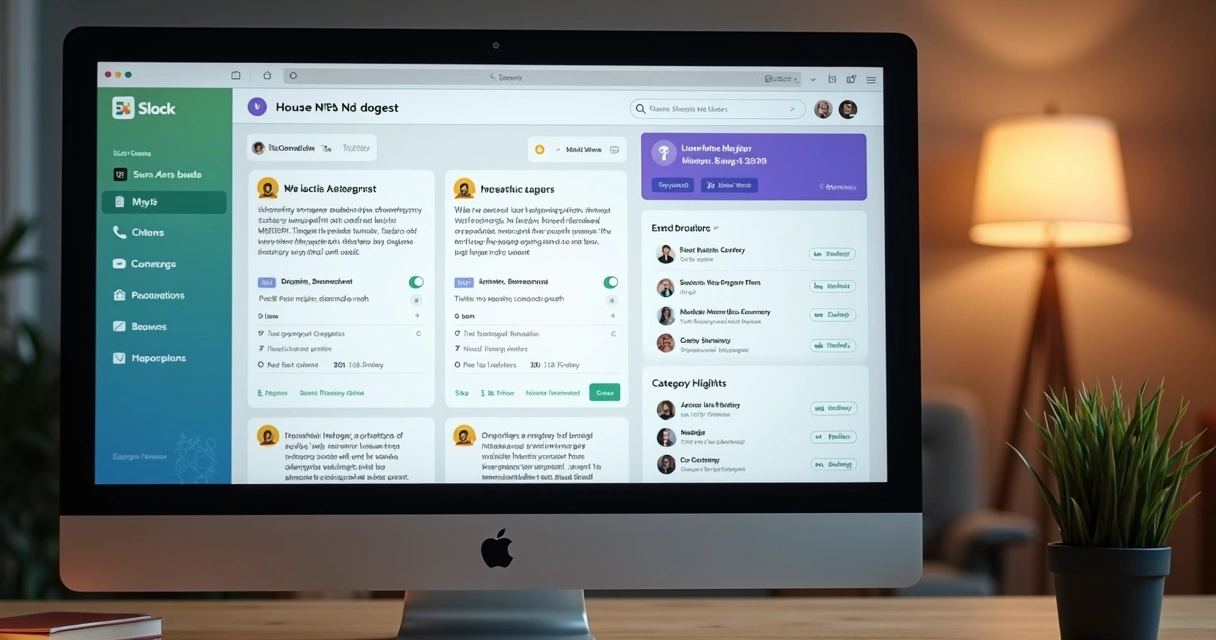
You don’t need a product manager or full-time customer support to spread NPS insights. When I see a major pattern—support issues, bugs, or valuable praise—I drop it into our Slack. With Slack-native digests from Thrilled, this is automated: every team member sees what matters, where we’re winning, and where we’re losing. That keeps everyone rowing in the same direction.
It’s how you make NPS mean something, not just a metric on a dashboard.
7. Track improvements, not just fire drills
Acting on NPS isn’t only about putting out fires. Over the months, I use the dashboard’s trend lines to see: Are fewer users hitting the same issues? Did last month’s fix for onboarding confusion cut our detractor count? I mark the before/after in a simple doc or Notion wiki.
Improvement is a journey, not a sprint. Teams that celebrate what’s gotten better move faster—and feel better too.
Some of my most useful progress reports started as a bullet point: “Support complaints about billing dropped by half this quarter—thanks to direct NPS feedback.”
Conclusion: Small teams move faster when NPS drives action
In my experience, tiny teams have a superpower: speed. The sooner you make NPS feedback visible and actionable, the lower your churn will be and the more you’ll build what people love. Solutions like Thrilled are purpose-built for this—embeddable in minutes, AI-powered, and made to deliver insight, not busywork.
If you want more advice and practical tips on SaaS, browse our SaaS blog section, or learn how customer experience can transform your growth over at customer experience stories. Our analytics coverage is always growing at analytics articles, and you might find inspiration in this story about turning raw feedback into product magic.
Try Thrilled and see what your users think—before they go silent.
Frequently asked questions
What is NPS and why use it?
NPS, or Net Promoter Score, is a simple way to measure how likely your users are to recommend your product to others. It tells you at a glance how happy—or unhappy—your users are, using a single 0–10 scale and a follow-up comment. I use it because it’s direct, fast, and gives a clear benchmark for user sentiment. The main value is turning feedback into quick actions that make users stay longer.
How can tiny SaaS teams use NPS?
Small teams benefit most by focusing on speed and visibility. I set up NPS collection with one script tag, review weekly digests, and act on top pain points instantly. With no technical overhead, even a one-person team can easily turn NPS data into feature updates, support improvements, or better onboarding.
Do I need engineers for NPS actions?
No. Approaches like those I shared—weekly digests, Slack notifications, simple dashboards, and direct outreach—require zero development time. Tools designed for SaaS builders, like Thrilled, put actionable insights up front so anyone (not just engineers) can address feedback and make improvements.
What are easy NPS tools for teams?
For teams like mine, I look for tools that:
- Embed with a simple script
- Offer AI-powered, plain-English summaries of feedback
- Send Slack digests or email alerts automatically
Is it worth it to act on NPS?
Absolutely. Every time I acted on feedback—fixed a bug, improved a flow, or followed up with a detractor—I saw churn drop and happier users. Small teams sometimes feel like they can’t keep up, but with the right approach, acting on NPS can be your edge.