
5 Churn Signals in SaaS You Can Catch Early With NPS

I’ve worked with enough SaaS founders and product teams to know that the silence from users isn’t golden—it’s a warning. Losing users without understanding why is one of the toughest pills to swallow. Luckily, there’s a powerful tool that lets you surface churn risk before it’s too late: Net Promoter Score, or NPS. What I’ve seen firsthand is that when NPS is paired with intelligent feedback handling, it tells you what users actually think, not just a number on a chart.
Here, I’ll break down five early churn signals you can spot fast with NPS—signals I’ve learned to respect because ignoring them leads to user loss and growth slowdowns. And I won’t just list obvious issues; I’ll show how tools like Thrilled help SaaS builders shift from gut feelings to clear action.
Recognizing churn isn’t about just tracking numbers
Strong user relationships in SaaS don’t erode with a single bad day. The most meaningful churn signals show up in places you might overlook if you’re skimming NPS dashboards for just the score. I’ve noticed that it’s the context behind the score that matters most. That’s why seeing urgent trends, patterns, and user intention—before users walk away—is invaluable. With platforms like Thrilled, you don’t need to drown in a wall of feedback text. You see categorized issues, urgency, and trackable trends all in one place, which matches what you want if you’re running lean.
 1. NPS score drops suddenly
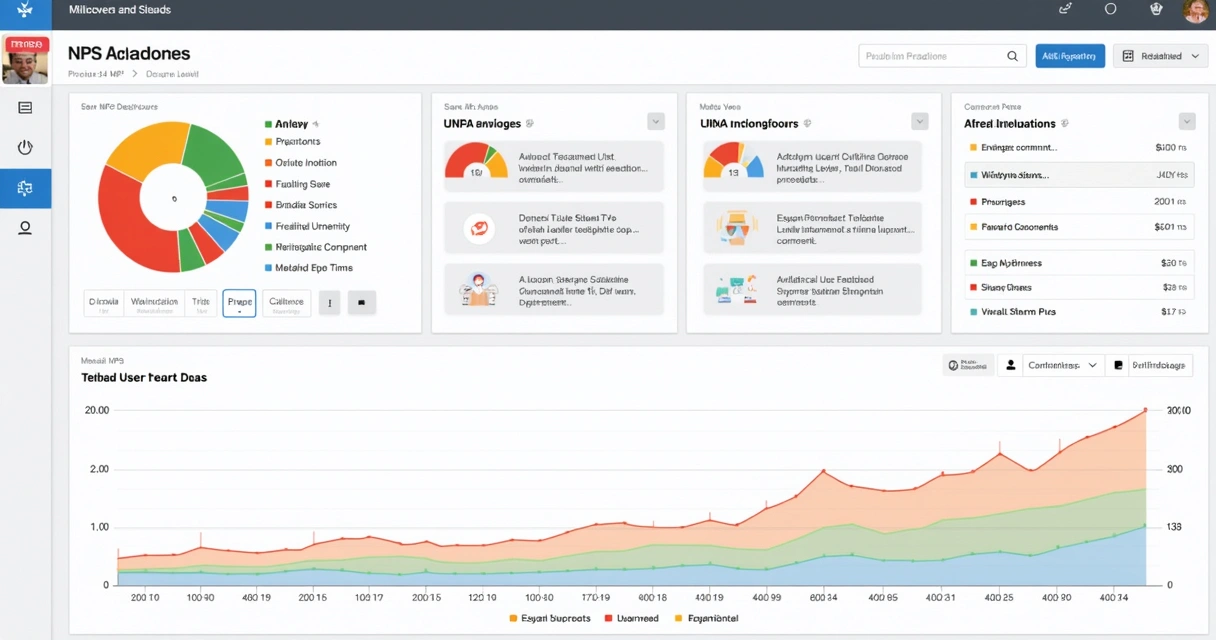
The clearest warning is a sharp drop in your NPS score. I’ve seen SaaS teams ignore a 10-point dip for weeks, only to realize later that it meant rising dissatisfaction among a certain user segment. If your NPS shifts downward by more than 7–10 points in a short period, especially after a release or change, that’s not just statistical noise. It’s a nudge to ask what shifted.
What I like about Thrilled here is you get proactive alerts, not just a number. You’re told exactly which week triggered the change and what users were actually saying at that time. That lets you tie feedback to product changes and react with speed—especially when every user counts for indie SaaS teams.
"Lost ground? There’s a reason. Find it."
2. Surge in detractor feedback
Every SaaS I know has detractors. But when their numbers rise, or when they shift from one-off low scores to repeating, pattern-based complaints, it’s time to focus. What stood out to me working with small teams was that the type and urgency of detractor feedback tells you what’s on fire, not just that something’s broken. If your NPS feedback stream is filling up with “0–6” scores and the same theme—like billing bugs, downtimes, or support misses—it’s a flag for rising churn risk.
In Thrilled’s dashboard, I can categorize detractor themes and highlight urgent cases. Not every detractor takes the effort to explain. When they do, attention is deserved—and fast follow-up often saves an account.
- Repeated complaints about a buggy feature
- Mentions of lackluster support responses
- Negative trends after a UI overhaul
Seeing these signals early helps you make targeted fixes instead of hoping problems disappear.
3. Drop in promoter engagement
Here’s a subtle but powerful churn signal: when users who used to score “9–10” suddenly quiet down or move to passive. From what I’ve seen, losing promoter enthusiasm is often a pre-churn signal. These users might still be active, but if comments shift from praise to silence, or if they start voicing practical frustrations, don’t overlook it. Catching this with NPS makes retaining them actionable.
Thrilled highlights when promoters become passive, tracking the journey of user sentiment. This lets you intervene—sometimes even a quick email or personalized message based on their feedback does wonders.
"Promoters protect your SaaS from churn—but only if you keep earning their loyalty."
 4. Consistent complaints about a specific feature
Not all feedback signals churn risk. But when multiple users (across NPS scores) highlight issues with a specific feature—especially high-priority or new ones—you have a pattern. I saw a SaaS lose a third of a feature’s users simply because what seemed like “just a few complaints” was actually a sign everyone was hitting the same wall.
Strong NPS tools, like those showcased with Thrilled, use AI to categorize this for you. That way, you see the pattern even if users phrase their feedback differently. As a result, the next sprint can focus exactly where it matters. For more on this, the SaaS insights section regularly explores ways to spot recurring feature issues before they turn into mass exits.
5. Sudden rise in urgent feedback
Sometimes, it’s not the score, but urgency that matters. In my experience, the words users choose—“critical,” “broken,” “can’t work”—combined with their tone, signal more churn than a slow score decline. Thrilled’s engine scores the urgency of open-text feedback, so you know if a complaint is a future pain or burning bridge. If you notice a spike in urgent tickets, even from previously passive users, it’s a fire alarm. Move fast, or you’ll lose more than just a number.
"Signal over noise. Urgency means act now, not next sprint."
Turning feedback into retention moves
All these churn signals have something in common: they only matter if you’re set up to notice them early. That’s where simplicity and smart analytics win out over complexity for lean SaaS teams. A tool designed for builders—like Thrilled—means you don’t just get the data. You get clear direction, urgent actions, and visibility across your user base without sorting through endless responses.
Learning to spot and act on these signals early is the foundation for consistent SaaS growth. Builders who review feedback with intentionality unlock the ability to improve not just their product, but the relationships they have with their users.
If you care about learning more on user sentiment, check out the user retention posts or the customer experience library. For those passionate about measurement, the analytics content on Thrilled’s blog helps you deepen what data really means.
Conclusion: Action beats awareness every time
In my experience, the most successful SaaS builders don’t just watch their NPS—they respond to it. Early churn signals, spotted through genuine user feedback, let you act before you lose those users for good. Your NPS dashboard isn’t just a number machine—it’s an antenna. By using a builder-driven approach like Thrilled, you stay close to your users, your product, and your growth curve.
If you want to know what your users think before they leave, start by adopting a feedback tool that fits your size, budget, and workflow. See how Thrilled makes this easier, faster, and infinitely more actionable. It’s a simple step, but one that could shape your user retention for years.
For more examples and technical deep-dives, read this detailed story on how feedback reshapes SaaS strategy.
Frequently asked questions
What is NPS in SaaS?
NPS (Net Promoter Score) in SaaS is a simple but powerful method to measure user loyalty and satisfaction by asking users how likely they are to recommend your product on a scale from 0 to 10. Scores are segmented as Promoters (9–10), Passives (7–8), and Detractors (0–6), providing immediate insight into your overall user sentiment.
How can NPS predict customer churn?
NPS predicts customer churn by revealing shifts in user sentiment and surfacing negative patterns before users stop using your SaaS. Sharp drops, increased detractor scores, and rising urgency in feedback are all early churn signals you can respond to. Consistent tracking, especially when linked with categorized feedback, helps catch at-risk users ahead of time.
What are common churn signals in SaaS?
Common churn signals include sudden NPS score declines, surges in detractor comments, previously loyal promoters turning passive or silent, and repeated urgent complaints about specific features. Recognizing these quickly gives you a window to act before users decide to leave.
How to use NPS to reduce churn?
To use NPS for reducing churn in SaaS, listen to the context and urgency behind the scores. Respond quickly to detractor and urgent feedback, track sentiment shifts among promoters, and use AI-powered tools to identify recurring issues. Rapid, thoughtful action based on specific feedback—rather than just the score—makes the difference in retention.
Is NPS enough to stop churn?
NPS is a key early warning system, but stopping churn takes action on what you learn. Combining NPS with quick, direct follow-up and ongoing improvements is what keeps users around. In my research, it’s not the measurement but the decisions that follow that make or break SaaS retention.